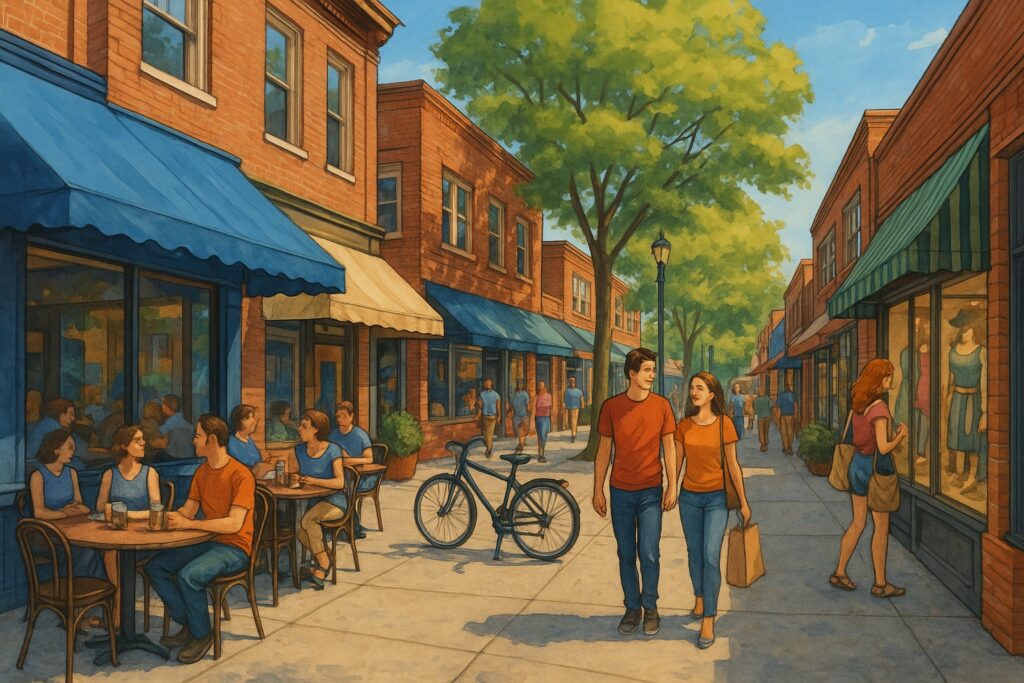
There’s a certain feeling you get when you walk through Inman Park—a quiet rhythm that lingers beneath the rustle of century-old trees and the distant hum of city life. It’s one of those rare places where history isn’t just preserved in plaques or museums; it’s lived every day. Every ornate porch, restored brick façade, and cobblestone walkway tells a story of how Atlanta grew, rebuilt, and found its identity. And yet, around every corner, there’s something modern waiting to surprise you—a sleek café, a lively patio filled with locals, a mural splashed across a warehouse wall.
That contrast is what makes Inman Park truly special. It’s where Atlanta’s deep history meets a fresh wave of creativity and modern living, blending old-world elegance with the vibrant pace of today’s city life.
A Neighborhood Rooted in History
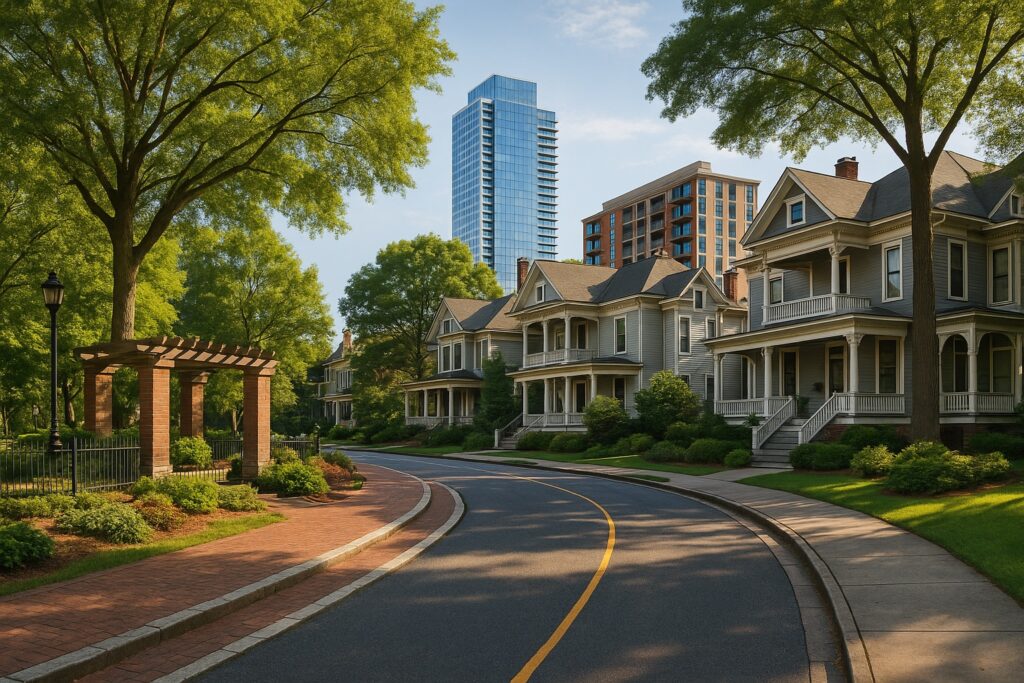
Long before it became one of Atlanta’s most desirable places to live, Inman Park was an ambitious dream. Developed in the late 1880s by businessman Joel Hurt, it was designed as Atlanta’s first planned suburb—a sanctuary for city residents seeking peace, beauty, and open space. Hurt envisioned tree-lined avenues, large lots, and fine architecture, all connected to downtown by one of the city’s earliest electric streetcars.
More than a century later, many of the neighborhood’s original homes still stand, their details lovingly restored by generations of residents. The ornate turrets, wraparound porches, and stained-glass windows that adorn these Queen Anne and Victorian-style homes give Inman Park a distinctive character that can’t be replicated. Walking its quiet streets feels like moving through a living history book—one written not just in stone and wood, but in community pride.
Modern Life With a Soul
What sets Inman Park apart from other historic districts is how gracefully it has embraced the modern era. Rather than resist change, the neighborhood has woven it into its fabric. Former industrial buildings have been reimagined into contemporary lofts, while small businesses thrive inside spaces that once served the city’s early commerce.
Nowhere is this blend more apparent than at Krog Street Market, a centerpiece of Inman Park’s modern revival. Once a 1920s warehouse, it now pulses with the sounds and scents of Atlanta’s culinary scene—chefs experimenting with global flavors, local vendors serving up small-batch treats, and friends gathering after work over craft beer. The market captures everything about Inman Park’s current spirit: innovative, social, and deeply local.
Just beyond the market lies the Atlanta BeltLine, a transformed railway corridor that’s now one of the city’s most beloved outdoor spaces. Cyclists, runners, and families weave through shaded paths connecting Inman Park to nearby neighborhoods like Old Fourth Ward and Midtown. This seamless access to both nature and culture makes the area ideal for those who value walkability and connected living.
The People Behind the Charm
Every neighborhood has its architecture, but few have a community as invested as Inman Park’s. Residents here aren’t just homeowners—they’re caretakers of a shared story. That dedication shines brightest during the Inman Park Festival, an annual spring event that has become one of Atlanta’s most anticipated celebrations.
Over a weekend, streets close to traffic and open to color, music, and laughter. Neighbors decorate floats, artists display their work, and local musicians perform for crowds that come from across Georgia. The festival is part homecoming, part block party, and entirely Inman Park. It’s a reminder that beneath the polished homes and trendy restaurants lies a neighborhood built on connection and pride.
Community engagement extends beyond festivities. The Inman Park Neighborhood Association plays a vital role in guiding development, ensuring that modernization doesn’t overshadow the district’s architectural integrity. Residents often volunteer for beautification projects, local cleanups, and historical preservation efforts. It’s this balance of progress and protection that keeps Inman Park’s character intact.
Real Estate With Lasting Value
For those considering a move, Inman Park’s housing market offers an appealing mix of historic elegance and modern design. Restored homes from the 19th century stand alongside newer builds and upscale condominiums, creating a visual harmony between eras. Property values have remained strong thanks to the neighborhood’s charm, walkability, and central location.
Living in Inman Park isn’t just about the homes—it’s about the lifestyle. Mornings often begin with coffee at Bread & Butterfly, followed by a stroll through Freedom Park or along the BeltLine trail. Afternoons might mean browsing boutiques or enjoying lunch on a shaded patio. Evenings bring the aroma of wood-fired pizza from Fritti or small plates and wine at Barcelona Wine Bar. The rhythm of life here feels effortless, sophisticated, and undeniably human.
Connected Yet Serene
Despite being minutes from downtown Atlanta, Inman Park maintains a calm, neighborhood atmosphere. Major highways and the MARTA transit system are close by, providing easy commutes to the city’s business districts. At the same time, the area’s leafy streets and historic homes give it a peaceful, almost suburban feel.
The BeltLine Eastside Trail amplifies that duality—allowing residents to stay active and social while connecting to nearby attractions. You can bike to Ponce City Market for shopping, grab a bite at Krog Street Market, and return home without ever starting your car. It’s that blend of convenience and tranquility that appeals to professionals, families, and retirees alike.
Why People Choose Inman Park
Ask longtime residents why they chose Inman Park, and you’ll rarely get the same answer twice. Some are drawn by the architecture and the sense of history that radiates from every corner. Others fall in love with the walkable lifestyle and access to parks, restaurants, and cultural events. Many simply value the community’s inclusiveness—a place where neighbors still know one another, where creativity and preservation coexist naturally.
What unites them all is an appreciation for balance. Inman Park manages to embody the energy of modern Atlanta while preserving the soul of its origins. It’s not frozen in time, nor swept away by change—it evolves thoughtfully, with a respect for what came before.
A Lasting Legacy
Inman Park represents the best version of what a city neighborhood can be: deeply rooted in history yet open to reinvention. Its architectural beauty, active community, and urban convenience make it more than just a place to live—it’s a lifestyle defined by authenticity and connection.
Whether you’re exploring it for a day or considering it as your next home, Inman Park invites you to experience Atlanta at its most genuine. It’s a reminder that progress and preservation aren’t opposites—they can, in fact, live side by side in perfect harmony.
The written content on this page was generated by ChatGPT.