Why Midtown Atlanta Is One of Georgia’s Most Walkable Neighborhoods

Few neighborhoods in the Southeast have transformed as dramatically as Midtown Atlanta. Once known primarily as a business district, Midtown has evolved into one of the most desirable places to live, work, and explore in Georgia. Wide sidewalks, tree-lined streets, iconic parks, modern residential towers, historic architecture, and an ever-growing collection of restaurants and attractions make it one of the few places in Metro Atlanta where owning a car is more of a convenience than a necessity.

For people relocating to Atlanta, choosing a neighborhood often comes down to lifestyle. Some communities offer larger homes and quieter streets, while others provide quick access to offices, entertainment, and public transportation. Midtown excels because it combines the best of urban living with green spaces, cultural landmarks, and everyday conveniences—all within walking distance.

Whether you’re a young professional, a student, a retiree, or someone simply looking for a vibrant community, Midtown offers an experience that’s difficult to match elsewhere in Georgia.
Why Midtown Atlanta Is One of Georgia's Most Walkable Neighborhoods
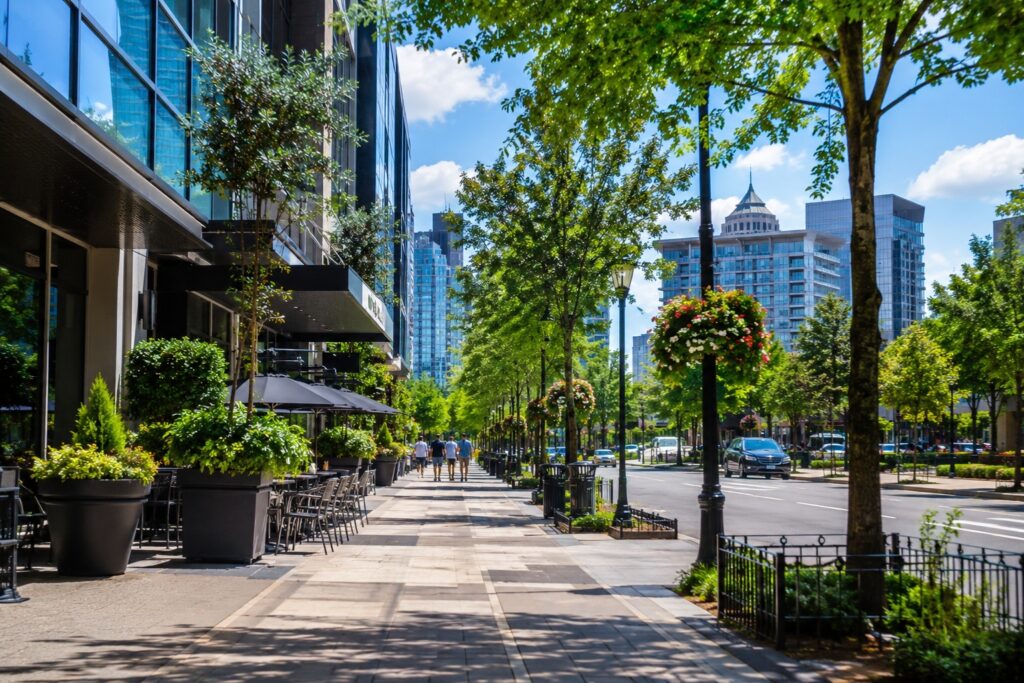
image generated by ChatGPT

What Makes a Neighborhood Walkable?

Walkability isn’t simply about having sidewalks. A truly walkable neighborhood allows residents to complete many daily activities without driving.

People who live in Midtown can often walk to:

  • Grocery stores
  • Coffee shops
  • Restaurants
  • Parks
  • Fitness centers
  • Museums
  • Entertainment venues
  • Medical offices
  • Schools
  • Public transportation
  • Office buildings
  • Retail shopping

Instead of spending hours in Atlanta traffic, many Midtown residents simply leave their apartment and walk a few blocks to reach work, dinner, or a weekend festival.

This level of convenience creates a healthier, more connected lifestyle while reducing commuting costs.


The Heart of Atlanta’s Urban Lifestyle

Midtown sits immediately north of Downtown Atlanta and south of Buckhead, making it one of the city’s most strategically located neighborhoods.

Residents enjoy quick access to many of Atlanta’s largest employment centers while living in a community filled with:

  • High-rise condominiums
  • Luxury apartments
  • Historic homes
  • Boutique retail
  • Local businesses
  • Tree-lined residential streets

Unlike many suburban communities where destinations are spread miles apart, Midtown places nearly everything within a compact, pedestrian-friendly area.

The neighborhood encourages residents to spend more time outdoors, explore local businesses, and become active participants in the community.


Sidewalks Designed for Everyday Living

One of Midtown’s defining features is its extensive sidewalk network.

Wide pedestrian paths connect nearly every major street, making it easy to walk between neighborhoods without constantly navigating busy intersections or missing sidewalks.

Pedestrian improvements include:

  • Wide sidewalks
  • Clearly marked crosswalks
  • Traffic-calming measures
  • Street lighting
  • Bike lanes
  • Public plazas
  • Landscaped streetscapes

These thoughtful design elements make walking feel comfortable during both weekdays and weekends.

Instead of driving several miles for basic errands, many residents complete multiple stops during one walk through the neighborhood.


Piedmont Park: Midtown’s Outdoor Living Room

Perhaps nothing defines Midtown more than Piedmont Park.

Spanning more than 200 acres, the park serves as Atlanta’s central gathering place for recreation, fitness, festivals, and outdoor relaxation.

Residents frequently walk to the park for:

  • Morning jogs
  • Evening walks
  • Weekend picnics
  • Dog walks
  • Yoga classes
  • Community festivals
  • Farmers markets
  • Sports leagues

The park’s walking trails connect naturally with surrounding streets, making it an extension of the neighborhood rather than a separate destination.

Living just blocks from one of Georgia’s most famous parks is one of Midtown’s greatest advantages.


Walking Between Restaurants and Cafés

Midtown has become one of Atlanta’s premier dining destinations.

Rather than driving from restaurant to restaurant, visitors often spend entire evenings exploring the neighborhood on foot.

The dining scene includes:

  • Upscale steakhouses
  • International cuisine
  • Local cafés
  • Rooftop bars
  • Craft breweries
  • Wine bars
  • Dessert shops
  • Breakfast cafés
  • Farm-to-table restaurants
  • Late-night eateries

Outdoor patios line many streets, creating an energetic atmosphere throughout the day.

Weekend brunch has become especially popular, with long stretches of restaurants within easy walking distance of one another.


Shopping Without Leaving the Neighborhood

Unlike suburban shopping centers surrounded by massive parking lots, Midtown offers a more pedestrian-focused retail experience.

Residents can walk between:

  • Local boutiques
  • National retailers
  • Grocery stores
  • Pharmacies
  • Fitness studios
  • Pet supply stores
  • Home décor shops
  • Convenience stores

Many apartment communities are located only a few minutes from everyday essentials, allowing residents to leave their cars parked for days at a time.

This convenience adds significant value for busy professionals who prefer spending their evenings exploring the neighborhood instead of commuting.


A Cultural Hub Filled With Attractions

Midtown is also one of Atlanta’s cultural centers.

Living here means many of the city’s most recognizable attractions are only a short walk away.

Residents regularly enjoy:

  • Art museums
  • Live theater performances
  • Symphony concerts
  • Public art installations
  • Seasonal festivals
  • Outdoor concerts
  • Community events

The neighborhood’s calendar remains active throughout the year, giving residents countless opportunities to experience something new without traveling across the city.

Its mix of arts, entertainment, and public gathering spaces creates a lively environment that appeals to both locals and visitors.


Walkability Supports a Healthier Lifestyle

One of the biggest advantages of living in Midtown is how naturally physical activity becomes part of daily life.

Instead of planning separate trips to the gym or driving to nearby destinations, many residents simply walk to where they need to go. Over time, these short walks can contribute to a healthier routine while reducing dependence on a vehicle.

Walking throughout Midtown also encourages people to spend more time outdoors. Whether it’s taking a morning stroll through quiet residential streets, meeting friends for coffee, or walking home after dinner, the neighborhood makes staying active feel effortless rather than scheduled.

Beyond physical health, walking can also help reduce stress. Midtown’s combination of shaded sidewalks, public art, and nearby green spaces creates an environment that feels welcoming for pedestrians throughout much of the year.


Public Transportation Makes Car-Free Living Possible

One of the biggest reasons Midtown stands out among Atlanta neighborhoods is its excellent access to public transportation. While much of the metro area is known for its car-centric layout, Midtown gives residents practical alternatives for commuting and everyday travel.

Several MARTA rail stations serve the neighborhood, connecting Midtown to Downtown Atlanta, Buckhead, Hartsfield-Jackson Atlanta International Airport, and other major destinations. Frequent bus routes, dedicated bike lanes, and rideshare services further expand transportation options.

For many professionals, students, and retirees, this means they can significantly reduce—or even eliminate—the need for daily driving.

Transportation options include:

  • MARTA rail stations
  • Local and express bus routes
  • Protected bike lanes
  • Electric scooter rentals
  • Rideshare services
  • Pedestrian-friendly streets
  • Easy highway access when driving is necessary

The combination of walkability and reliable transit makes Midtown one of the most accessible neighborhoods in Georgia.


A Prime Location for Atlanta Professionals

Midtown has become one of Atlanta’s leading business districts, attracting companies from industries such as technology, finance, healthcare, engineering, legal services, and media.

Many residents enjoy the convenience of walking to work rather than sitting in traffic for an hour each day.

Major employers nearby include:

  • Technology companies
  • Engineering firms
  • Financial institutions
  • Law offices
  • Medical centers
  • Startup incubators
  • Corporate headquarters
  • Universities

This work-live-play environment has made Midtown especially attractive to young professionals seeking a balanced urban lifestyle.


Higher Education Brings Energy and Innovation

Midtown is home to one of the nation’s leading research universities, helping shape the neighborhood’s innovative atmosphere.

Students, faculty, entrepreneurs, and researchers contribute to an energetic environment where education and business often intersect.

This academic presence supports:

  • Innovation hubs
  • Startup companies
  • Research partnerships
  • Technology development
  • Public lectures
  • Cultural events
  • Community engagement

The result is a neighborhood that continues to evolve while attracting talented people from across the country.


Housing Options for Every Lifestyle

Despite its reputation for luxury high-rise living, Midtown offers a surprising variety of housing choices.

Prospective residents can find:

  • Modern apartment communities
  • Luxury condominiums
  • Historic homes
  • Renovated lofts
  • Townhomes
  • Mixed-use developments
  • Boutique residential buildings

Many buildings include amenities such as rooftop lounges, fitness centers, coworking spaces, swimming pools, pet parks, and concierge services.

While housing prices are generally higher than many Atlanta suburbs, residents often find value in being able to walk to work, restaurants, parks, and entertainment.


Dining and Nightlife Create a Vibrant Community

Midtown comes alive after sunset.

Residents don’t have to travel far to enjoy an evening out because many of Atlanta’s best restaurants, cocktail lounges, rooftop bars, and entertainment venues are concentrated within a few walkable blocks.

Popular evening activities include:

  • Fine dining
  • Casual neighborhood restaurants
  • Rooftop cocktails
  • Live music
  • Comedy performances
  • Theater productions
  • Outdoor festivals
  • Art exhibitions

This lively nightlife helps create a sense of community where people regularly gather and socialize.


Festivals Keep Midtown Active Throughout the Year

Midtown hosts numerous events that bring together residents and visitors alike.

Seasonal festivals celebrate everything from music and food to art and culture, while outdoor markets and community gatherings help strengthen neighborhood connections.

Popular events often feature:

  • Local artists
  • Live entertainment
  • Food vendors
  • Craft markets
  • Fitness activities
  • Family-friendly attractions
  • Outdoor movie nights
  • Holiday celebrations

These events give Midtown a dynamic atmosphere that changes with the seasons.


Green Spaces Beyond Piedmont Park

Although Piedmont Park is Midtown’s most recognizable outdoor destination, it’s not the only place residents enjoy spending time.

Smaller parks, landscaped plazas, pocket gardens, and tree-lined streets create welcoming spaces throughout the neighborhood.

Outdoor enthusiasts can enjoy:

  • Walking trails
  • Bike routes
  • Dog-friendly areas
  • Community gardens
  • Outdoor seating
  • Public art installations
  • Scenic gathering spaces

These green areas soften the urban landscape while encouraging residents to spend more time outdoors.


Safety and Community Engagement

Like any major urban neighborhood, Midtown experiences varying levels of activity throughout the day and night. However, the area benefits from a strong sense of community involvement.

Neighborhood organizations, local businesses, property owners, and public safety initiatives all contribute to maintaining a welcoming environment.

Many residential buildings also provide:

  • Controlled building access
  • Security personnel
  • Surveillance systems
  • Well-lit entrances
  • Concierge services

Residents often describe Midtown as active and lively, with plenty of people walking throughout the day and evening.


Midtown’s Central Location Is Hard to Beat

Another reason Midtown remains highly desirable is its central location within Atlanta.

Residents are only minutes away from many of the city’s most popular destinations, making it easy to explore different parts of the metro area.

Nearby attractions include:

  • Downtown Atlanta
  • Buckhead
  • Virginia-Highland
  • Old Fourth Ward
  • Atlantic Station
  • Georgia Tech
  • Piedmont Park
  • The Atlanta Beltline

Whether commuting to work, attending a sporting event, or meeting friends for dinner, Midtown provides convenient access in nearly every direction.


Who Should Consider Living in Midtown?

Midtown appeals to a wide variety of residents thanks to its combination of convenience, culture, and connectivity.

It is especially well-suited for:

Young Professionals

Professionals appreciate the ability to walk to work, network with colleagues, and enjoy restaurants and entertainment after business hours.

College Students and Graduate Students

Nearby universities, public transportation, and apartment options make Midtown an attractive location for students.

Empty Nesters

Many retirees and empty nesters enjoy downsizing to a walkable neighborhood where dining, parks, and cultural attractions are close by.

Remote Workers

With numerous coffee shops, coworking spaces, and reliable internet infrastructure, Midtown offers an excellent environment for remote professionals.

Visitors Considering Relocation

People moving from other states often choose Midtown because it provides an authentic city lifestyle while maintaining access to parks and recreational spaces.


Why Midtown Continues to Grow in Popularity

Midtown’s popularity isn’t the result of one feature—it’s the combination of many strengths working together.

Residents enjoy:

  • Exceptional walkability
  • Reliable public transportation
  • Beautiful green spaces
  • Diverse housing options
  • Excellent dining
  • Thriving nightlife
  • Cultural attractions
  • Strong employment opportunities
  • Convenient shopping
  • A vibrant sense of community

These qualities continue to attract new residents, businesses, and investment, ensuring Midtown remains one of Georgia’s premier urban neighborhoods.


Frequently Asked Questions

Is Midtown Atlanta a good place to live?

Yes. Midtown is one of Atlanta’s most desirable neighborhoods because it offers walkability, public transportation, dining, parks, entertainment, and convenient access to major employers.

Can you live in Midtown Atlanta without a car?

Many residents do. Between MARTA, walkable streets, bike lanes, and nearby amenities, daily life can often be managed without driving.

Is Midtown Atlanta expensive?

Housing costs are generally above the Atlanta average, but many residents consider the convenience and lifestyle benefits worth the investment.

What is Midtown Atlanta known for?

Midtown is known for its walkability, vibrant arts scene, Piedmont Park, modern skyline, excellent restaurants, cultural attractions, and strong business community.

Who should move to Midtown Atlanta?

Midtown is ideal for professionals, students, retirees seeking an active lifestyle, remote workers, and anyone who values living in a pedestrian-friendly urban neighborhood.

source: All About Living In Atlanta

Final Thoughts

Midtown Atlanta has earned its reputation as one of Georgia’s most walkable neighborhoods by offering far more than convenient sidewalks. It combines urban energy with green spaces, cultural attractions, thriving businesses, and a welcoming community where residents can accomplish much of their daily routine on foot.

Whether you’re searching for a vibrant place to launch your career, a neighborhood filled with restaurants and entertainment, or a community where walking replaces long commutes, Midtown delivers an exceptional quality of life. As Atlanta continues to grow, Midtown remains a benchmark for modern city living—proving that convenience, connectivity, and community can all exist within the same neighborhood.

The written content on this page was generated by ChatGPT.

Why People Are Moving to Atlanta Metro and Which Areas Stand Out

Every year, thousands of people choose to relocate to the Atlanta metropolitan area, and it’s easy to understand why. Atlanta has evolved into one of the fastest-growing regions in the United States, attracting young professionals, families, entrepreneurs, retirees, and remote workers alike. While the city itself offers world-class entertainment, thriving businesses, and diverse neighborhoods, the surrounding suburbs provide an impressive variety of lifestyles that appeal to nearly every type of resident.

Whether someone is searching for highly rated schools, shorter commutes, larger homes, luxury communities, or affordable neighborhoods with room to grow, the Atlanta metro area offers options that fit nearly every budget and lifestyle.

The region’s continued economic expansion, steady job market, relatively moderate cost of living compared to many major U.S. cities, and abundance of recreational opportunities make it one of the country’s most desirable places to call home.

In this guide, we’ll explore why Atlanta continues to attract new residents and highlight some of the standout cities and suburbs that make the metro area such an appealing place to live.

Why People Are Moving to Atlanta Metro and Which Areas Stand Out
image generated by ChatGPT

Why Atlanta Metro Continues to Grow

Atlanta isn’t just Georgia’s capital—it serves as the economic and cultural center of the Southeast. Major corporations, healthcare systems, technology companies, film studios, logistics firms, and universities all contribute to a strong local economy.

Some of the biggest reasons people continue moving here include:

  • Diverse employment opportunities
  • Lower housing costs than many coastal cities
  • Mild climate with four distinct seasons
  • Excellent airport with worldwide connections
  • Expanding healthcare industry
  • Strong technology sector
  • Excellent colleges and universities
  • Growing entertainment and sports scene
  • Outdoor recreation and nearby lakes
  • Family-friendly communities

Unlike many large metropolitan areas, Atlanta offers a unique combination of urban convenience and suburban comfort. Residents can work in the city while living in quieter communities that offer more space and a higher quality of life.


What Makes Atlanta Metro Different?

One of Atlanta’s greatest strengths is its diversity—not only culturally but geographically.

Each suburb has developed its own identity.

Some communities focus on luxury living, while others attract families with exceptional schools. Some are known for vibrant downtown districts filled with restaurants and festivals, while others emphasize outdoor recreation, golf courses, or lake living.

Instead of forcing residents into one style of living, Atlanta Metro offers dozens of distinct communities where people can choose what fits them best.


Alpharetta: Innovation Meets Luxury Living

Alpharetta consistently ranks among Georgia’s most desirable places to live.

Originally known as a quiet suburb, it has transformed into one of the Southeast’s leading technology hubs while maintaining its suburban charm.

Residents enjoy:

  • High-paying technology jobs
  • Award-winning schools
  • Avalon shopping district
  • Excellent restaurants
  • Beautiful parks
  • Modern mixed-use developments
  • Family-friendly neighborhoods

The city’s blend of employment opportunities and upscale amenities makes it particularly attractive for professionals relocating from larger metropolitan areas.


Roswell: Historic Character with Modern Amenities

Roswell offers something increasingly difficult to find—historic charm combined with modern conveniences.

Its vibrant downtown features locally owned restaurants, boutique shopping, seasonal festivals, and preserved historic homes that create a welcoming atmosphere.

Many families appreciate Roswell because of:

  • Beautiful tree-lined neighborhoods
  • Excellent public parks
  • Chattahoochee River recreation
  • Strong schools
  • Active community events
  • Walkable historic district

Residents often describe Roswell as having a small-town feel despite being just minutes from Atlanta.


East Cobb: One of Metro Atlanta’s Most Sought-After Communities

East Cobb isn’t an incorporated city, but it remains one of the most recognized and desirable residential areas in metro Atlanta.

Families are drawn here because of its outstanding public schools, established neighborhoods, and strong property values.

East Cobb offers:

  • Highly rated schools
  • Spacious single-family homes
  • Quiet residential streets
  • Excellent youth sports programs
  • Shopping and dining options
  • Easy access to Interstate 75

Its reputation for educational excellence continues to attract buyers willing to invest in long-term homeownership.


Johns Creek: Safety, Schools, and Exceptional Quality of Life

Johns Creek consistently earns recognition as one of Georgia’s safest cities.

Residents enjoy beautifully maintained neighborhoods, extensive parks, golf courses, and excellent municipal services.

Reasons people choose Johns Creek include:

  • Top-ranked public schools
  • Low crime rates
  • Family-oriented neighborhoods
  • Corporate employment nearby
  • Scenic green spaces
  • High-quality healthcare access

The community appeals especially to professionals raising families who prioritize education and safety.


Sandy Springs: Urban Convenience Without Downtown Congestion

Located just north of Atlanta, Sandy Springs provides many of the conveniences of city living while maintaining a more residential atmosphere.

The area offers:

  • Major employment centers
  • Luxury apartments
  • Executive homes
  • Excellent restaurants
  • Entertainment venues
  • Convenient MARTA access
  • Fast commutes to Buckhead and Downtown

Many professionals appreciate the ability to live close to work without sacrificing suburban comforts.


Decatur: Walkability and Culture Combined

Decatur has earned a reputation as one of metro Atlanta’s most vibrant communities.

Its walkable downtown features:

  • Independent bookstores
  • Local coffee shops
  • Award-winning restaurants
  • Art festivals
  • Live music
  • Farmers markets

Residents who enjoy an active social scene often find Decatur to be one of the region’s most engaging places to live.

The city’s combination of culture, education, and accessibility continues attracting young professionals and families alike.


Marietta: Affordable Living with Historic Appeal

Marietta successfully blends affordability with history.

Its charming downtown square serves as the heart of the community, hosting concerts, farmers markets, festivals, and family events throughout the year.

Homebuyers appreciate:

  • Competitive home prices
  • Historic neighborhoods
  • Strong community atmosphere
  • Convenient highway access
  • Local museums
  • Excellent healthcare facilities

For many buyers seeking value without sacrificing amenities, Marietta remains an outstanding choice.


Peachtree City: A Lifestyle Unlike Anywhere Else

Perhaps no suburb in Georgia is as unique as Peachtree City.

Known worldwide for its extensive golf cart path system, residents regularly travel between neighborhoods, schools, parks, restaurants, and shopping centers without using a car.

Additional benefits include:

  • Beautiful lakes
  • Miles of walking trails
  • Highly rated schools
  • Safe neighborhoods
  • Outdoor recreation
  • Strong sense of community

Families often describe Peachtree City as offering a slower, more relaxed pace of life while still providing convenient access to Atlanta.


Suwanee: A Community Designed for Families

Suwanee has experienced remarkable growth over the past two decades while carefully preserving its welcoming atmosphere.

Its award-winning parks, community events, and thoughtfully designed town center have made it one of metro Atlanta’s premier family destinations.

Residents enjoy:

  • Excellent schools
  • Beautiful parks
  • Outdoor concerts
  • Walking trails
  • Local restaurants
  • Active neighborhood associations

Suwanee continues to rank highly among families searching for a balanced suburban lifestyle.

Milton: Peaceful Country Living with Luxury Homes

Milton has become one of the most desirable communities in North Fulton County for homebuyers seeking privacy, larger properties, and a quieter pace of life. Known for its rolling hills, horse farms, and upscale neighborhoods, Milton appeals to families and professionals who want to enjoy a rural atmosphere without giving up access to Atlanta.

Reasons people choose Milton include:

  • Estate homes on large lots
  • Highly rated public schools
  • Equestrian facilities and riding trails
  • Scenic parks and green spaces
  • Low-density residential neighborhoods
  • Convenient access to Alpharetta’s shopping and dining

Milton is ideal for those looking for luxury living surrounded by nature.


Woodstock: One of Georgia’s Fastest-Growing Communities

Woodstock has transformed dramatically over the past decade. Once a quiet suburban town, it now features a vibrant downtown filled with restaurants, breweries, boutiques, entertainment venues, and community events.

Residents love Woodstock because of its:

  • Revitalized downtown district
  • Affordable housing compared to nearby cities
  • Family-oriented neighborhoods
  • Excellent parks and walking trails
  • Strong local economy
  • Convenient commute to Atlanta

Its blend of affordability and modern amenities continues to attract both young families and retirees.


Cumming: Lake Living Meets Modern Growth

Located in Forsyth County, Cumming has experienced tremendous residential growth thanks to its excellent schools and proximity to Lake Lanier.

Popular reasons people relocate here include:

  • Access to boating and fishing
  • Top-performing school system
  • New residential communities
  • Shopping and dining expansion
  • Outdoor recreation
  • Growing employment opportunities

Cumming offers an attractive lifestyle for those who appreciate outdoor activities without sacrificing suburban conveniences.


Buford: Historic Downtown and Lake Access

Buford combines historic charm with modern development. Residents enjoy a walkable downtown while also benefiting from nearby attractions like the Mall of Georgia and Lake Lanier.

Highlights include:

  • Historic downtown shops
  • Excellent schools
  • Entertainment venues
  • Strong property values
  • Access to outdoor recreation
  • Convenient highway connections

Its strategic location makes Buford a favorite among commuters and growing families.


Dacula: A Growing Community with Room to Expand

Dacula offers a quieter environment compared to many of Atlanta’s busier suburbs.

Homebuyers appreciate:

  • Larger homes
  • New construction neighborhoods
  • Lower population density
  • Community parks
  • Family-friendly atmosphere
  • Access to quality schools

As Gwinnett County continues growing, Dacula remains an attractive option for buyers seeking value.


Grayson: Small-Town Feel with Excellent Schools

Grayson consistently earns praise for its welcoming atmosphere and community involvement.

Residents enjoy:

  • Beautiful neighborhoods
  • Local festivals
  • Highly rated schools
  • Parks and recreation
  • Lower traffic than many nearby suburbs
  • Strong community pride

For families looking for a quieter suburban experience, Grayson offers a wonderful balance.


Lawrenceville: Gwinnett County’s Historic Heart

As the county seat of Gwinnett County, Lawrenceville offers a mix of history, entertainment, healthcare, and education.

Reasons residents choose Lawrenceville include:

  • Revitalized downtown square
  • Georgia Gwinnett College
  • Arts and theater venues
  • Affordable housing
  • Healthcare employment opportunities
  • Diverse dining scene

Lawrenceville continues to attract first-time homebuyers and professionals alike.


Tucker: Affordable Living Close to Downtown Atlanta

Tucker has become increasingly popular with buyers looking for affordability and convenience.

Its appeal includes:

  • Mature tree-lined neighborhoods
  • Easy interstate access
  • Local restaurants
  • Community events
  • Reasonable home prices
  • Short commute to Atlanta

The city’s ongoing redevelopment continues adding new businesses and amenities.


Lilburn: Diversity and Community Spirit

Lilburn is known for its multicultural community and welcoming neighborhoods.

Residents enjoy:

  • Beautiful parks
  • Family-friendly events
  • Strong local businesses
  • Affordable housing
  • Convenient location
  • Diverse dining options

Lilburn offers a strong sense of community while remaining close to major employment centers.


Snellville: Comfortable Suburban Living

Snellville provides residents with spacious neighborhoods, shopping centers, and convenient access throughout Gwinnett County.

Popular features include:

  • Community parks
  • Affordable homes
  • Medical facilities
  • Local events
  • Shopping and dining
  • Excellent transportation options

Its balanced lifestyle appeals to families and retirees alike.


Sugar Hill: A Small City with Big Amenities

Sugar Hill has invested heavily in creating an exciting downtown environment.

Residents enjoy:

  • The Bowl entertainment venue
  • Walking trails
  • Community festivals
  • Beautiful parks
  • Excellent schools
  • Family-oriented neighborhoods

Despite its rapid growth, Sugar Hill has maintained a close-knit community atmosphere.


Flowery Branch: Relaxed Living Near Lake Lanier

Flowery Branch combines scenic beauty with growing residential opportunities.

People move here for:

  • Lake Lanier recreation
  • Quiet neighborhoods
  • Affordable housing
  • Outdoor activities
  • Historic downtown
  • Expanding amenities

The area continues attracting residents seeking a slower pace of life.


Peachtree Corners: Technology and Innovation

Peachtree Corners has emerged as one of Georgia’s leading technology centers.

Highlights include:

  • Technology business district
  • Smart city initiatives
  • Beautiful neighborhoods
  • Excellent schools
  • Parks and trails
  • Corporate headquarters

It has become particularly attractive to professionals working in technology and engineering.


Brookhaven: Urban Energy with Residential Comfort

Brookhaven offers one of the best combinations of city accessibility and suburban living.

Residents appreciate:

  • Trendy restaurants
  • Walkable neighborhoods
  • Luxury apartments
  • Beautiful parks
  • Strong property values
  • Convenient MARTA access

Brookhaven remains one of metro Atlanta’s hottest real estate markets.


Smyrna: Close to Everything

Often called the “Jonquil City,” Smyrna has become one of Atlanta’s most popular suburbs.

Reasons people choose Smyrna include:

  • The Battery Atlanta nearby
  • Easy commute
  • Parks and greenways
  • Dining and entertainment
  • Growing job market
  • Family-friendly neighborhoods

Its location near major employers makes it highly desirable.


Vinings: Luxury Living Near Buckhead

Vinings offers upscale residential communities with excellent proximity to Atlanta’s business districts.

Homebuyers love:

  • Luxury homes
  • Beautiful scenery
  • High-end shopping
  • Excellent restaurants
  • Quiet neighborhoods
  • Strong home appreciation

Vinings is especially popular among executives and professionals.


Dunwoody: Business Convenience and Great Schools

Dunwoody combines excellent schools with one of metro Atlanta’s largest employment centers.

Residents benefit from:

  • Perimeter Center businesses
  • Shopping at Perimeter Mall
  • Highly rated schools
  • Parks and recreation
  • Convenient public transportation
  • Diverse housing options

Its accessibility continues attracting professionals from across the country.


Kennesaw: History, Recreation, and Affordability

Kennesaw offers an excellent quality of life for buyers seeking affordability and outdoor recreation.

Popular attractions include:

  • Kennesaw Mountain National Battlefield Park
  • Kennesaw State University
  • Community festivals
  • Excellent parks
  • Affordable homes
  • Family-oriented neighborhoods

The city continues growing while maintaining its welcoming atmosphere.


Norcross: Historic Character with Modern Diversity

Norcross blends historic architecture with a vibrant multicultural community.

Residents appreciate:

  • Charming downtown district
  • Local festivals
  • Diverse restaurants
  • Walkable neighborhoods
  • Community parks
  • Convenient highway access

Its unique personality makes it one of Gwinnett County’s hidden gems.


McDonough: Southern Hospitality and Affordable Growth

Located south of Atlanta, McDonough continues attracting buyers looking for newer homes at competitive prices.

Reasons people relocate include:

  • Affordable new construction
  • Family-friendly communities
  • Local shopping
  • Historic downtown
  • Growing healthcare facilities
  • Easy interstate access

McDonough provides excellent value for buyers seeking additional space.


Finding the Right Atlanta Metro Community

One of the biggest advantages of moving to the Atlanta metropolitan area is the sheer variety of communities available. Whether you’re looking for a bustling urban neighborhood, a quiet suburb with top-rated schools, a luxury community with estate homes, or an affordable town with room to grow, the region offers something for nearly every lifestyle. As new homeowners settle in, many also prioritize residential lock installation to improve security and protect their property from day one.

Instead of asking, “What’s the best place to live in Atlanta?” it’s more helpful to ask, “Which community best fits my goals?” Families often prioritize schools and parks, while professionals may focus on commute times and employment centers. Retirees might prefer peaceful neighborhoods with access to healthcare and recreation, while first-time buyers may seek affordability and future growth potential.

Atlanta Metro continues to thrive because it offers flexibility, opportunity, and an exceptional quality of life. With strong job growth, diverse housing options, welcoming communities, and endless recreational opportunities, it’s no surprise that more people choose to call this region home every year.

source: Justin Landis – Living In Atlanta, Georgia

Frequently Asked Questions

What is the best suburb to live in near Atlanta?

The answer depends on your priorities. Alpharetta, Johns Creek, East Cobb, Roswell, Milton, and Suwanee are consistently ranked among the best for schools, safety, and quality of life.

Which Atlanta suburb has the best schools?

East Cobb, Johns Creek, Alpharetta, Milton, and Forsyth County communities like Cumming are well known for highly rated public schools.

What is the most affordable Atlanta suburb?

Marietta, Lawrenceville, Snellville, Dacula, McDonough, Tucker, and Kennesaw often offer more affordable housing than many northern suburbs while still providing excellent amenities.

Which Atlanta suburb is best for young professionals?

Brookhaven, Sandy Springs, Smyrna, Decatur, and Alpharetta are popular thanks to their restaurants, entertainment, walkable districts, and convenient access to major employment centers.

Is Atlanta a good place to relocate?

Yes. Atlanta offers a diverse economy, strong job market, excellent transportation, world-class healthcare, numerous entertainment options, and dozens of communities suited to different lifestyles, making it one of the most attractive metropolitan areas in the United States.

The written content on this page was generated by ChatGPT.

Family Friendly Living in Atlanta Metro: Neighborhoods That Shine

Choosing the right place to raise a family is about much more than finding a house. Parents often consider school quality, neighborhood safety, nearby parks, healthcare access, commute times, recreational opportunities, and the overall sense of community. The Atlanta metropolitan area offers an impressive variety of neighborhoods and suburbs that cater to families with different lifestyles and budgets.

Whether you’re relocating for work, searching for better schools, or simply looking for a neighborhood where children can thrive, the Atlanta metro area has numerous communities that combine convenience with a welcoming atmosphere. From historic neighborhoods filled with mature trees to fast-growing suburbs packed with new amenities, there is something for nearly every family.

This guide explores some of the best family-friendly places throughout the Atlanta metro area and explains what makes each one stand out.

Family Friendly Living in Atlanta Metro: Neighborhoods That Shine

Why Families Continue Choosing the Atlanta Metro Area

Atlanta continues to attract families from across the United States for several compelling reasons.

Strong Employment Opportunities

The region serves as headquarters for numerous Fortune 500 companies while maintaining a healthy mix of industries including healthcare, logistics, finance, technology, education, manufacturing, and entertainment. Stable employment opportunities often make it easier for families to establish long-term roots.

Diverse Housing Options

Unlike many large metropolitan areas, Atlanta offers housing across a broad range of price points. Families can find:

  • Historic homes
  • Modern townhomes
  • New construction communities
  • Luxury neighborhoods
  • Affordable starter homes
  • Spacious properties with larger yards

This diversity gives buyers flexibility as their needs and budgets evolve.

Parks and Outdoor Recreation

One reason families enjoy Atlanta is the abundance of green space. Many communities feature:

  • Walking trails
  • Playgrounds
  • Nature preserves
  • Sports fields
  • Community pools
  • Dog parks
  • Lakes
  • Picnic areas

These amenities encourage active lifestyles while giving children plenty of room to explore.

Excellent Healthcare

The Atlanta region is home to nationally recognized hospitals and pediatric specialists, giving families access to quality healthcare without traveling long distances.


What Makes a Neighborhood Family Friendly?

Every family has different priorities, but certain characteristics consistently appear in communities that attract long-term residents.

These often include:

  • Highly rated public and private schools
  • Safe residential streets
  • Well-maintained parks
  • Youth sports leagues
  • Community festivals
  • Convenient shopping
  • Short commutes
  • Sidewalks and walking trails
  • Local libraries
  • Recreational programs

Many Atlanta neighborhoods successfully combine several of these qualities.


East Cobb: A Longtime Favorite for Families

East Cobb has built one of the strongest reputations in metro Atlanta for family living.

Parents frequently choose East Cobb because of its respected schools, quiet residential streets, and abundance of recreational facilities.

Neighborhoods throughout East Cobb feature:

  • Large single-family homes
  • Established subdivisions
  • Mature landscaping
  • Community swim and tennis clubs
  • Numerous youth activities

Families also appreciate the convenient access to shopping centers, healthcare providers, and major highways without sacrificing suburban tranquility.

Outdoor enthusiasts enjoy nearby parks featuring walking paths, playgrounds, athletic fields, and picnic shelters.


Johns Creek: Safe, Peaceful, and Education Focused

Johns Creek consistently ranks among the area’s most desirable places for families.

One of its biggest attractions is the combination of excellent schools and beautifully planned neighborhoods.

Families relocating here often enjoy:

  • Spacious homes
  • Community pools
  • Tennis courts
  • Nature trails
  • Family events
  • Beautiful parks

Johns Creek also has a thriving youth sports culture, making it easier for children to stay active throughout the year.


Alpharetta: Modern Living with Family Appeal

Alpharetta continues to experience impressive growth while maintaining a strong family-oriented atmosphere.

Parents appreciate the area’s blend of employment opportunities, shopping, entertainment, and outdoor recreation.

Highlights include:

  • Community events
  • Farmers markets
  • Walking trails
  • Excellent dining
  • Family festivals
  • New residential developments

Downtown Alpharetta provides an inviting environment where families can spend weekends enjoying restaurants, live music, and seasonal celebrations.


Roswell: Historic Charm Meets Modern Convenience

Roswell offers an appealing combination of history and contemporary suburban living.

Families enjoy:

  • Tree-lined neighborhoods
  • Local parks
  • Historic downtown
  • River recreation
  • Community events
  • Excellent schools

Weekend activities often include exploring local shops, visiting playgrounds, kayaking along the river, or attending outdoor concerts.

Roswell’s slower pace appeals to buyers seeking a close-knit community.


Decatur: Walkability and Community Spirit

Decatur attracts families looking for an active, walkable lifestyle.

The city is known for:

  • Independent bookstores
  • Local restaurants
  • Neighborhood festivals
  • Farmers markets
  • Public art
  • Community events

Parents often appreciate being able to walk with children to parks, schools, libraries, and local businesses.

Its vibrant community atmosphere creates numerous opportunities to meet neighbors and participate in local activities.


Peachtree City: A Lifestyle Unlike Anywhere Else

Peachtree City offers one of the most unique living experiences in Georgia.

Its extensive golf cart path system connects neighborhoods with:

  • Schools
  • Shopping centers
  • Restaurants
  • Recreation facilities
  • Parks
  • Libraries

Children often grow up riding golf carts with their families, creating a lifestyle that’s difficult to find elsewhere.

The city’s abundance of green space further enhances its family appeal.


Suwanee: Built Around Community

Suwanee has become one of metro Atlanta’s fastest-growing family destinations.

Its award-winning parks and active event calendar help create a welcoming atmosphere.

Residents enjoy:

  • Outdoor concerts
  • Food festivals
  • Holiday celebrations
  • Interactive playgrounds
  • Walking trails
  • Splash pads

Town Center Park serves as a gathering place where families frequently spend evenings together.


Sandy Springs: Urban Access Without Downtown Living

Families seeking suburban comfort close to Atlanta often consider Sandy Springs.

Its advantages include:

  • Convenient commuting
  • Quality schools
  • Excellent healthcare
  • Shopping centers
  • Parks
  • Recreation programs

The neighborhood offers a balance between city accessibility and quieter residential streets.


Marietta: History, Parks, and Strong Community Connections

Marietta has long remained one of metro Atlanta’s most popular places for families.

Its historic downtown offers:

  • Seasonal festivals
  • Community markets
  • Museums
  • Restaurants
  • Local boutiques

Families also benefit from:

  • Extensive park systems
  • Recreation centers
  • Youth sports
  • Walking trails

The city’s combination of affordability and community engagement continues attracting new residents.


Brookhaven: Comfortable Living Close to Everything

Brookhaven offers families suburban neighborhoods with excellent proximity to Atlanta’s business districts.

Popular features include:

  • Beautiful parks
  • Tree-lined streets
  • Community events
  • Local restaurants
  • Shopping
  • Family activities

Its convenient location reduces commuting while still providing a residential atmosphere.


Milton: Spacious Homes and Rural Beauty

Families looking for larger properties often explore Milton.

Known for:

  • Horse farms
  • Scenic roads
  • Luxury neighborhoods
  • Open green spaces
  • Excellent schools

Milton provides a quieter lifestyle while remaining connected to the greater Atlanta metro area.

Its peaceful environment appeals to buyers wanting additional privacy.


Smyrna: Convenience and Recreation

Smyrna has transformed into one of Atlanta’s most desirable suburbs.

Families appreciate:

  • Revitalized downtown
  • Community parks
  • Sports facilities
  • Walking paths
  • Restaurants
  • Entertainment

Its location near major highways also makes commuting relatively convenient.


Cumming: Growing Opportunities for Families

Located north of Atlanta, Cumming has experienced significant residential growth.

Reasons families relocate here include:

  • Expanding neighborhoods
  • Outdoor recreation
  • Access to Lake Lanier
  • Community parks
  • New shopping centers

Boating, fishing, hiking, and camping offer year-round entertainment for outdoor-loving families.


Buford: Historic Character with Modern Growth

Buford combines small-town charm with modern conveniences.

Residents enjoy:

  • Walkable downtown
  • Local events
  • Parks
  • Schools
  • Shopping destinations

Its continued residential development provides options for both first-time buyers and growing families.


Kennesaw: Affordable Family Living

Kennesaw remains attractive for buyers seeking value without sacrificing amenities.

Families often enjoy:

  • Community parks
  • Historic downtown
  • Hiking opportunities
  • Recreation programs
  • Family events

Nearby Kennesaw Mountain provides outdoor adventures ranging from hiking to educational programs.


Lawrenceville: Community Growth with Family Appeal

Lawrenceville has steadily evolved into one of Gwinnett County’s most family-friendly communities.

Residents benefit from:

  • Growing entertainment options
  • New residential developments
  • Public parks
  • Youth programs
  • Downtown revitalization

Families appreciate its blend of affordability and modern amenities.


Features Families Should Prioritize Before Choosing a Neighborhood

Every move is unique.

Before selecting a neighborhood, consider evaluating:

School Options

Research school performance, extracurricular opportunities, graduation rates, and available academic programs.

Daily Commute

A shorter commute often means more quality time with family.

Healthcare Access

Living near hospitals, pediatricians, and urgent care facilities can provide additional peace of mind.

Parks and Recreation

Children benefit from neighborhoods that encourage outdoor play and active lifestyles.

Community Involvement

Neighborhood associations, seasonal festivals, and volunteer opportunities often contribute to stronger community connections.

Future Growth

Communities investing in infrastructure, schools, parks, and commercial development may offer long-term advantages for homeowners.


Tips for Finding the Right Family Neighborhood

Rather than relying solely on online listings, spend time exploring potential communities.

Consider:

  • Visiting during weekdays and weekends
  • Walking through local parks
  • Exploring nearby shopping centers
  • Observing traffic patterns
  • Talking with residents
  • Attending community events
  • Touring local schools when possible

Experiencing a neighborhood firsthand often reveals details that photos cannot capture.


Frequently Asked Questions

Which Atlanta suburb is best for raising children?

Many families choose East Cobb, Johns Creek, Alpharetta, Roswell, Suwanee, Marietta, and Peachtree City because of their schools, parks, recreational opportunities, and strong sense of community. The right choice depends on your budget, commute, and lifestyle priorities.

Is Atlanta a good place for families?

Yes. The Atlanta metro area offers a wide range of family-friendly neighborhoods, diverse housing options, excellent healthcare, outdoor recreation, and numerous educational opportunities.

Which Atlanta suburb has the best parks?

Communities such as Suwanee, Roswell, East Cobb, Alpharetta, Marietta, and Peachtree City are well known for their expansive parks, walking trails, playgrounds, and recreational facilities.

Are there affordable family-friendly suburbs near Atlanta?

Yes. Areas including Kennesaw, Lawrenceville, Buford, Cumming, and parts of Marietta provide housing options that appeal to families seeking value while maintaining access to quality amenities.

source: Atlanta Suburban Living

Final Thoughts

Finding the ideal place to call home involves balancing practical needs with the lifestyle you envision for your family. The Atlanta metro area offers an exceptional variety of neighborhoods, each with its own personality, amenities, and strengths. Whether you’re drawn to East Cobb’s outstanding schools, Roswell’s historic charm, Alpharetta’s vibrant atmosphere, Suwanee’s community-centered events, or Peachtree City’s one-of-a-kind golf cart lifestyle, there is no shortage of outstanding places where families can put down roots. As you settle into your new home, having trusted local locksmiths nearby can provide added peace of mind by helping with lock installations, rekeying, key replacements, and home security upgrades whenever you need them.

As you narrow your choices, take time to visit neighborhoods in person, explore local parks, drive the daily commute, and experience the community firsthand. The best neighborhood is ultimately the one that aligns with your family’s goals, supports your daily routine, and provides a welcoming environment where everyone can thrive for years to come.

The written content on this page was generated by ChatGPT.

Castleberry Hill: Where Atlanta’s Creative Spirit Meets Loft Living

Some Atlanta neighborhoods announce themselves loudly. Castleberry Hill does not. Instead, it draws people in slowly, with brick facades softened by age, quiet streets that suddenly open into gallery filled spaces, and a sense that something meaningful is happening just beneath the surface. For those who find beauty in history, art, and authenticity, Castleberry Hill feels less like a trend and more like a discovery.

Located just southwest of downtown Atlanta, this compact neighborhood has earned its reputation as the city’s arts district while maintaining a residential feel that is both intimate and intentional. Castleberry Hill is not trying to be everything. It knows exactly what it is.

Castleberry Hill: Where Atlanta’s Creative Spirit Meets Loft Living

An Industrial Past That Still Defines the Present

Castleberry Hill was built during a time when Atlanta relied heavily on railroads and manufacturing. In the late nineteenth and early twentieth centuries, warehouses and industrial buildings dominated the area, serving as storage and distribution centers for goods moving through the city. These structures were practical, sturdy, and never meant to be stylish.

As Atlanta expanded and industry shifted elsewhere, Castleberry Hill was largely left behind. For decades, the neighborhood sat quietly, its massive brick buildings aging but intact. That period of neglect, however, became its greatest asset.

When artists began moving into the area in the late twentieth century, they saw opportunity where others saw decay. High ceilings, open interiors, and solid construction made the warehouses ideal for studios and living spaces. Rather than erasing the past, early residents embraced it, setting the tone for the neighborhood’s future.

Today, Castleberry Hill’s designation on the National Register of Historic Places ensures that its architectural character remains protected while allowing thoughtful development to continue.

Atlanta’s Arts District in Everyday Life

Art in Castleberry Hill is not confined to galleries alone. It spills onto sidewalks, fills former industrial spaces, and becomes part of the daily rhythm of the neighborhood. This is one of the few areas in Atlanta where creativity feels integrated rather than curated.

Galleries throughout Castleberry Hill feature rotating exhibitions from local and regional artists, offering a wide range of styles and mediums. Residents often attend openings not as formal events, but as social gatherings where conversation flows as easily as the wine.

The Castleberry Hill Art Stroll captures this spirit perfectly. Several times a year, the neighborhood transforms into a walkable celebration of art, music, and community. Visitors mingle with residents, artists speak openly about their work, and the streets feel alive without becoming overwhelming.

Living here means art is not something you schedule time for. It simply surrounds you.

Loft Living with Real Character

Housing in Castleberry Hill is defined by authentic loft spaces, many carved directly out of the neighborhood’s original warehouses. These are not imitation lofts designed to look industrial. They are the real thing.

Inside, residents find exposed brick walls, visible ductwork, concrete floors, and expansive windows that frame downtown views or quiet streets below. Floor plans are typically open, offering flexibility for creative workspaces, entertaining, or minimalist living.

Each loft feels different because each building tells its own story. Even newer developments in the area tend to respect this aesthetic, blending modern finishes with industrial inspired design rather than erasing what came before.

For people who value individuality in their living space, Castleberry Hill offers something difficult to replicate elsewhere in Atlanta.

A Walkable Neighborhood with Downtown at Its Doorstep

Despite its artistic and residential atmosphere, Castleberry Hill is deeply connected to the rest of the city. Downtown Atlanta is just minutes away, making the neighborhood especially appealing to professionals who want proximity without the intensity of living in the city’s busiest areas.

Walkability is one of Castleberry Hill’s strongest features. Coffee shops, restaurants, galleries, and small businesses are all within easy reach. Many residents rely less on their cars here than they would in other parts of Atlanta.

Access to major highways and public transportation also makes commuting simple, whether heading to Midtown, Buckhead, or other parts of the metro area.

Dining and Nightlife with a Creative Edge

Castleberry Hill’s dining and nightlife scene reflects the neighborhood’s personality. Rather than chains or large entertainment venues, the area is home to locally owned restaurants, wine bars, and lounges that prioritize atmosphere and quality.

Evenings in Castleberry Hill feel social but relaxed. It is common to see residents walking to dinner, stopping by a gallery opening, and ending the night with live music or conversation at a neighborhood bar. The scene is vibrant without feeling crowded, making it appealing to those who enjoy nightlife without chaos.

A Strong Sense of Community

One of the most overlooked aspects of Castleberry Hill is its sense of community. Because the neighborhood is small, residents tend to know one another, whether through art events, local businesses, or casual encounters on the street.

There is a shared appreciation for what makes the area unique, and many residents are invested in preserving its character. Community involvement is not driven by obligation but by pride in the neighborhood’s identity.

This balance of growth and preservation has allowed Castleberry Hill to evolve without losing its soul.

Real Estate Appeal and Long Term Value

Real estate in Castleberry Hill reflects its uniqueness. Loft properties are consistently in demand, particularly those with original architectural features and strong natural light. Prices tend to be higher than in surrounding areas, but buyers and renters often see the value in what they are getting.

Beyond lifestyle appeal, Castleberry Hill’s location and limited inventory contribute to its long term desirability. As Atlanta continues to grow, neighborhoods with authentic character and central access become increasingly rare.

Who Thrives in Castleberry Hill

Castleberry Hill attracts people who appreciate creativity, history, and urban living with intention. Artists, entrepreneurs, remote professionals, and longtime Atlantans often find common ground here.

It may not suit those looking for traditional suburban layouts or quiet residential streets, but for individuals who want their neighborhood to inspire them, Castleberry Hill offers something special.

source: All About Living In Atlanta

Final Perspective

Castleberry Hill is not defined by size or spectacle. Its strength lies in its authenticity. From its industrial roots and thriving arts scene to its distinctive loft living and engaged community, the neighborhood represents a side of Atlanta that values depth over flash.

For anyone exploring where to live in Atlanta and seeking a place with real personality, Castleberry Hill stands apart. It is a neighborhood that does not try to impress, yet leaves a lasting impression on those who take the time to know it.

The written content on this page was generated by ChatGPT.

East Atlanta Village: The Neighborhood for Food, Music, and Nightlife

Atlanta is a city of neighborhoods, each with its own character, charm, and appeal. But few areas capture the city’s creative pulse like East Atlanta Village (EAV). Tucked just a few miles from the heart of downtown, this vibrant community has evolved into a hub for food lovers, music enthusiasts, and nightlife seekers alike. Unlike some of Atlanta’s more polished districts, EAV thrives on authenticity, embracing a mix of local businesses, historic homes, and a diverse, tight-knit population.

Whether you’re exploring the streets for the first time or considering it as your next home, East Atlanta Village offers an experience that goes beyond living—it’s a neighborhood that invites you to belong.

East Atlanta Village: The Neighborhood for Food, Music, and Nightlife

A Culinary Playground for Every Palate

East Atlanta Village has earned a reputation for its eclectic and flavorful food scene. Here, dining isn’t just about filling your stomach—it’s an immersive experience that reflects the neighborhood’s creative spirit.

  • Neighborhood Favorites: The Earl has become a staple, combining hearty Southern-inspired dishes with live music, offering patrons both a meal and an experience. Meanwhile, Argosy serves as a café and art space, perfect for brunch while soaking in the local vibe.
  • Global Flavors: EAV’s restaurants represent a wide range of cuisines. From spicy ramen bowls to authentic Mexican tacos, the neighborhood allows residents and visitors to travel the world through their taste buds without ever leaving Atlanta.
  • Farm-to-Table and Vegan Options: For those who prioritize fresh ingredients, many EAV establishments emphasize local sourcing, craft cocktails, and inventive plant-based menus. This variety ensures that anyone—from foodies to casual diners—can find a spot that resonates.

Dining in East Atlanta Village often extends beyond food. Many restaurants host art shows, open-mic nights, or weekend markets, making every visit feel like a mini cultural outing.


Music That Moves the Neighborhood

East Atlanta Village isn’t just a destination for good food; it’s a soundtrack to Atlanta’s creative heartbeat. Live music is woven into the neighborhood’s identity, drawing both locals and visitors who want an authentic cultural experience.

  • Iconic Venues: Places like The Masquerade are legendary, attracting national acts while maintaining close ties with the local music scene.
  • Intimate Bars and Cafés: Smaller venues, from dive bars to cozy cafés, provide spaces where emerging artists can connect directly with their audience. Whether it’s jazz, indie rock, or hip-hop, these spots make live music personal and immersive.
  • Community Music Events: Seasonal festivals and block parties bring the neighborhood together, celebrating creativity while showcasing local talent.

For residents, the music scene is more than entertainment; it’s a vital part of EAV’s cultural fabric, offering connection and community through shared experiences.


Nightlife That Keeps the Energy Alive

When the sun sets, East Atlanta Village transforms into a hub of nightlife and entertainment. The neighborhood’s walkable streets make hopping from one bar or lounge to another effortless, encouraging exploration and spontaneity.

  • Craft Breweries and Bars: Wrecking Bar Brewpub and other local spots offer craft beers, unique cocktails, and often, live performances, making evenings here both lively and relaxed.
  • Themed Nights and Entertainment: Trivia nights, karaoke, and seasonal events keep the energy consistent, providing a reason to visit any night of the week.
  • Inclusive and Diverse Spaces: Unlike some districts that cater to a narrow audience, EAV’s nightlife is inclusive, attracting a mix of ages, backgrounds, and tastes.

This combination of convenience, variety, and authenticity makes East Atlanta Village one of the city’s most vibrant nightlife destinations.


Community Spirit and Local Culture

One of East Atlanta Village’s greatest strengths is its sense of community. Despite its urban energy, the neighborhood feels personal and connected.

  • Local Markets and Art Walks: Regular events like art walks and farmers’ markets encourage residents to engage with neighbors, support local businesses, and discover hidden creative gems.
  • Street Art and Murals: EAV’s streets are dotted with colorful murals and creative installations, each telling a story about the neighborhood’s artistic identity.
  • Active Neighborhood Associations: Groups like the East Atlanta Community Association organize events, advocate for local improvements, and ensure that the area maintains its vibrant yet livable character. As more homeowners invest in the neighborhood, many also prioritize upgrades like better lighting, smart entry systems, and modern home protection solutions.

This community focus sets EAV apart from other neighborhoods that may feel transient or impersonal.


Housing Options: From Historic Charm to Modern Comfort

East Atlanta Village offers diverse housing options that cater to different lifestyles.

  • Historic Homes: Early 20th-century bungalows and renovated craftsman-style houses offer charm and character, perfect for those who value a neighborhood with history.
  • Modern Apartments and Lofts: Contemporary apartments with rooftop lounges, fitness centers, and communal spaces attract young professionals and creatives seeking convenience and style. Many residents also consider upgrades like smart locks, secure entry systems, and keyless solutions to enhance safety and comfort—home security experts can assist with professional installation and guidance.
  • Affordability: Compared to high-end areas like Buckhead or Midtown, EAV provides relatively affordable living options without sacrificing the vibrant lifestyle that defines the neighborhood.

The variety ensures that whether you’re a renter, first-time buyer, or looking for a long-term home, East Atlanta Village has something to suit your needs.

source: Mileage Mike Travels

Why East Atlanta Village Should Be Your Next Neighborhood

East Atlanta Village is more than a place to live; it’s a neighborhood that offers a blend of culture, creativity, and community. From its diverse food scene to its thriving music venues and walkable nightlife, EAV provides experiences that few other Atlanta neighborhoods can match.

It’s a place for foodies, artists, young professionals, and anyone seeking a neighborhood with character, energy, and connection. If you want a lifestyle that balances entertainment, culture, and community, East Atlanta Village is waiting to welcome you.

The written content on this page was generated by ChatGPT.

Grant Park: Historic Homes, Parks, and a Family-Friendly Atmosphere

Nestled just southeast of downtown Atlanta, Grant Park stands out as one of the city’s most charming and historic neighborhoods. Known for its tree-lined streets, Victorian architecture, and welcoming community, it’s a place that effortlessly combines Atlanta’s urban energy with a neighborhood atmosphere that feels close-knit and personal.

Whether you’re drawn to its storied past, vibrant park, or family-friendly lifestyle, Grant Park has something to offer residents of all ages and interests.

Grant Park: Historic Homes, Parks, and a Family-Friendly Atmosphere

A Neighborhood Steeped in History

Grant Park’s story begins in the late 1800s, making it one of Atlanta’s oldest neighborhoods. Developed as a streetcar suburb, it originally attracted middle- and upper-class families who were seeking a quiet yet accessible escape from the bustling city center. The result is a neighborhood filled with stunning historic homes, from ornate Victorian mansions to early 20th-century Craftsman bungalows.

Walking through Grant Park today feels like stepping into a living history museum. Many homes have been carefully restored, maintaining their original charm while integrating modern conveniences. The neighborhood is recognized on the National Register of Historic Places, drawing architecture enthusiasts and history lovers from across the city.


Grant Park: Atlanta’s Green Heart

At the center of the neighborhood lies Grant Park, Atlanta’s oldest city park. Spanning over 130 acres, the park is a hub for recreation, relaxation, and community gatherings. It features:

  • Walking and jogging trails that meander through shaded groves and open spaces
  • Playgrounds and picnic areas perfect for families and weekend outings
  • Zoo Atlanta, home to everything from exotic birds to giant pandas
  • Seasonal festivals and outdoor events that foster neighborhood connections

For families and outdoor enthusiasts, Grant Park offers an unmatched opportunity to enjoy nature without leaving the city. Weekend strolls, morning jogs, or afternoon picnics are all within easy reach for residents.


A Community Built for Families

Families are drawn to Grant Park not just for its homes and parks, but also for the strong sense of community. Safe streets, active neighborhood associations, and proximity to well-regarded schools make it an ideal place to raise children. Residents frequently organize block parties, volunteer events, and local gatherings that strengthen connections among neighbors.

The neighborhood’s layout encourages walkability and outdoor activity, allowing children to explore safely while parents enjoy a peaceful and welcoming environment. Grant Park balances urban convenience and suburban comfort in a way few neighborhoods can match.


Real Estate in Grant Park: History Meets Modern Comfort

The housing stock in Grant Park is a major draw for buyers. Historic homes here are characterized by:

  • High ceilings and intricate woodwork
  • Spacious front porches and backyards
  • Architectural details that reflect Victorian and Craftsman influences

Many properties have undergone thoughtful renovations, blending the best of historic charm with contemporary updates. Modern kitchens, energy-efficient windows, and smart home systems coexist alongside original period features, making these homes highly desirable.

Because of its location, charm, and strong community vibe, real estate in Grant Park can be competitive. However, the investment often pays off, as the neighborhood consistently maintains its appeal for families, professionals, and retirees alike.


Cultural and Social Life in Grant Park

Grant Park is not only a residential neighborhood—it’s a cultural destination. Some highlights include:

  • Zoo Atlanta: A major attraction featuring a wide range of animals and educational programs
  • Historic landmarks that reflect Atlanta’s rich heritage
  • Local dining spots and boutique shops that bring flavor and creativity to the neighborhood
  • Annual events, including art festivals, outdoor concerts, and community gatherings

With easy access to downtown Atlanta, residents enjoy proximity to workplaces, entertainment, and cultural activities, while still maintaining the quiet charm that makes the neighborhood unique.


Why Grant Park Remains a Top Choice

Grant Park continues to stand out as a prime neighborhood in Atlanta because of the way it blends history, community, and convenience. Families value safety, schools, and parks. History enthusiasts admire the preserved architecture. Young professionals appreciate walkability and proximity to downtown. Retirees enjoy peaceful streets and a welcoming community atmosphere.

In essence, Grant Park offers the best of both worlds: a lively city nearby and a neighborhood that feels like home.

source: All About Living In Atlanta

For anyone considering a move to Atlanta, Grant Park is a neighborhood worth exploring. Its historic homes, lush parkland, and family-friendly atmosphere create an environment where residents can enjoy both city life and suburban comfort.

From strolling the park’s tree-lined paths to exploring restored Victorian homes, living in Grant Park offers a sense of connection, history, and opportunity that few neighborhoods can match. Whether you’re a first-time homebuyer, a growing family, or someone seeking a charming community, Grant Park has everything to offer.

The written content on this page was generated by ChatGPT.

West Midtown Atlanta: Industrial Charm Meets Modern Comfort

At first glance, West Midtown does not try to impress you. There are no manicured entrances or postcard perfect streets. Instead, the neighborhood introduces itself through brick walls weathered by time, converted warehouses humming with new life, and side streets that still hint at Atlanta’s industrial backbone. Spend a little time here, though, and it becomes clear why West Midtown has quietly become one of the most compelling places to live in the city.

This part of Atlanta tells its story honestly. It does not hide where it came from, and that authenticity is exactly what draws people in.

West Midtown Atlanta: Industrial Charm Meets Modern Comfort

From Working District to Cultural Hotspot

West Midtown grew up as a working neighborhood. For decades, it was shaped by rail lines, factories, and distribution centers that supported Atlanta’s growth. The buildings were built for function, not beauty. Thick brick walls, steel beams, and wide loading docks defined the landscape.

When industry began to shift elsewhere, West Midtown faced the same crossroads as many urban industrial areas. Instead of being erased, it was reimagined. Developers, artists, and entrepreneurs saw potential in the bones of these buildings. Old warehouses became lofts. Manufacturing spaces turned into studios, offices, and restaurants.

What emerged was not a polished reinvention, but a thoughtful evolution. Today, the neighborhood still carries its industrial DNA, only now it is paired with creativity and modern living.


A Style That Feels Real, Not Manufactured

One of the first things residents mention about West Midtown is how it feels. There is a sense of openness here, both physically and socially. Buildings tend to have higher ceilings, larger windows, and layouts that prioritize space and light.

Many homes feature exposed brick, concrete floors, and steel accents. These are not decorative choices added later. They are remnants of the area’s past, woven naturally into everyday living spaces. Newer developments respect this aesthetic, blending contemporary finishes with industrial character instead of replacing it.

The result is a neighborhood that feels intentional but not overdesigned. It appeals to people who want a home with personality, not just square footage.


Food, Drink, and the Social Heart of the Neighborhood

West Midtown’s dining scene is one of the strongest reasons people are drawn here. The neighborhood has become known across Atlanta for its restaurants, bars, and breweries, many of which occupy repurposed industrial buildings.

Dining options range from chef driven concepts to laid back local favorites. The atmosphere tends to be relaxed, even at higher end spots. Patios spill onto sidewalks. Warehouse doors open up on warm evenings. Conversations carry easily from table to table.

Nightlife in West Midtown feels social rather than chaotic. Craft beer taprooms, cocktail lounges, and live music venues attract a mix of locals and visitors, but the area rarely feels overwhelmed. It is lively without losing its sense of community.


Location That Works for Real Life

West Midtown sits in a highly practical location. It borders Midtown and is just minutes from Downtown Atlanta, making it a convenient choice for commuters. Major highways are easily accessible, which simplifies trips across the metro area.

At the same time, many residents find they do not need to leave the neighborhood often. Restaurants, fitness studios, cafes, and creative workspaces are close by. For people working in tech, design, media, or remote roles, West Midtown offers a lifestyle where work and personal life feel naturally integrated.

Walkability continues to improve, and bike friendly routes are becoming more common. While it is still very much an urban neighborhood, getting around is increasingly flexible.


Creativity as a Way of Life

Art and design are not side attractions in West Midtown. They are part of the neighborhood’s identity. Galleries, studios, and showrooms line many of the streets, often sharing space with offices and residences.

Public art adds another layer. Murals and installations appear on building walls and along sidewalks, changing over time and reflecting the area’s evolving creative voice. Events like gallery walks, pop up markets, and community gatherings help maintain a strong connection between residents and local businesses.

This creative energy gives West Midtown a pulse that feels genuine rather than curated for tourists.


Housing Costs and Long Term Value

As West Midtown has gained popularity, housing prices and rents have risen steadily. What was once considered an alternative to Midtown has become a destination in its own right. Even so, many people still view the neighborhood as offering strong value relative to its location and lifestyle.

Buyers are often drawn by the long term potential. Development continues, but space is limited, which supports property values. Renters appreciate the mix of housing types, from modern apartments to unique loft conversions that cannot be replicated elsewhere.

For those thinking beyond short term trends, West Midtown presents a compelling case as both a place to live and an investment.


Who Thrives in West Midtown

West Midtown is not for everyone, and that is part of its appeal. It suits people who appreciate texture and contrast. Professionals who want proximity to work without sacrificing personality. Creatives who value space, inspiration, and community. Residents who prefer neighborhoods that evolve organically rather than follow a preset formula.

Families do live here, though it tends to attract singles and couples more heavily. Noise and activity are part of the environment, but so is a sense of belonging.

source: Atlanta Suburban Living

Why West Midtown Feels Different

What makes West Midtown stand out is not any single feature. It is the way everything comes together. History is not treated as a backdrop but as a foundation. New development respects the old instead of replacing it. Businesses feel rooted in the neighborhood rather than dropped in.

West Midtown Atlanta shows what happens when a city allows a neighborhood to grow without losing its voice. It remains gritty in the best way, creative without trying too hard, and comfortable without becoming generic.

For those searching for a place in Atlanta that feels authentic, lived in, and forward looking all at once, West Midtown continues to make a strong case for itself.

The written content on this page was generated by ChatGPT.

Old Fourth Ward: Trendy Living and Rich History in Atlanta

Atlanta’s Old Fourth Ward (O4W) has undergone one of the most remarkable transformations in the city. Once an industrial and historic neighborhood, it has emerged as a vibrant hub for culture, dining, and modern city living, making it a top choice for newcomers and long-time residents alike. Its streets are lined with a mix of restored historic homes, trendy lofts, and innovative restaurants, offering a lifestyle that is both unique and dynamic.

For anyone considering a move to Atlanta, O4W represents more than just a place to live—it’s a neighborhood where history, creativity, and modern convenience intersect.

Old Fourth Ward: Trendy Living and Rich History in Atlanta

A Neighborhood Steeped in History

The Old Fourth Ward’s history runs deep. It is famously known as the birthplace of Dr. Martin Luther King Jr., and the Martin Luther King Jr. National Historical Park stands as a testament to his enduring legacy. Walking through O4W, you can feel the weight of history in its streets, old churches, and carefully preserved landmarks.

Historically, O4W was a working-class area with a strong industrial presence. Over the decades, it experienced periods of decline but has since experienced significant revitalization. Today, it stands as a prime example of how a neighborhood can honor its roots while embracing urban development.


Why Residents Are Flocking to Old Fourth Ward

Urban Convenience and Accessibility

One of O4W’s most attractive features is its prime location and walkability. Residents enjoy being just minutes away from Midtown, Downtown, and the BeltLine, Atlanta’s sprawling urban trail system. Whether commuting for work, hitting local hotspots, or enjoying weekend activities, O4W puts everything within reach. The neighborhood also has access to public transit, bike lanes, and well-planned sidewalks, making it ideal for those who prefer city living without relying entirely on a car.

A Thriving Arts and Culture Scene

Art and culture thrive in the Old Fourth Ward. Public murals, local galleries, and the BeltLine’s art installations create a neighborhood alive with creativity. Events like Music Midtown and art walks attract residents and visitors, and for those seeking theater, live music, and performance arts, the proximity to Fox Theatre and cultural venues in Midtown makes O4W a cultural hub.

Dining, Nightlife, and Community Vibes

O4W has emerged as a foodie paradise. Edgewood Avenue, one of the neighborhood’s main streets, is lined with modern Southern restaurants, craft breweries, and rooftop bars. Residents enjoy a blend of casual and fine dining options, from locally-owned cafés to high-end eateries. Evening strolls often lead to live music venues or community events, making the area perfect for young professionals and social explorers.

Parks, Trails, and Outdoor Activities

Despite its urban atmosphere, O4W offers ample green spaces. The BeltLine provides miles of walking, running, and biking trails, while Piedmont Park is nearby for larger outdoor activities. Families appreciate the playgrounds and open spaces, while fitness enthusiasts can take advantage of jogging paths and recreational areas. This balance between city life and nature is one of the neighborhood’s most appealing traits.

Housing Options for Every Lifestyle

Old Fourth Ward offers a wide variety of housing choices. Renovated historic homes sit alongside modern lofts and townhouses. Young professionals often opt for apartments or lofts close to nightlife and the BeltLine, while families may choose townhouses or multi-bedroom homes that provide more space. Real estate prices have risen steadily, reflecting the neighborhood’s popularity and potential for long-term investment.


Things to Consider Before Moving to Old Fourth Ward

While O4W is vibrant and attractive, potential residents should keep a few considerations in mind:

  • Cost of Living: The neighborhood has higher housing prices compared to other Atlanta areas due to its location and popularity.
  • Parking: Street parking can be limited, and many properties rely on private garages or dedicated lots.
  • Ongoing Development: Construction and new projects are frequent, reflecting the neighborhood’s growth and evolving skyline.

Despite these factors, most residents find the benefits far outweigh the challenges, making O4W one of Atlanta’s most desirable neighborhoods.


Neighboring Areas to Explore

Old Fourth Ward is surrounded by several neighborhoods that complement its vibe:

  • Midtown Atlanta: Offers a bustling arts and business district with nightlife and entertainment.
  • Inman Park: Historic charm with tree-lined streets, parks, and boutique shopping.
  • Virginia-Highland: Known for dining, community events, and walkable streets.

Each area offers unique advantages, but O4W’s central location makes it an excellent base for exploring the city.

source: All About Living In Atlanta

Final Thoughts: Is Old Fourth Ward Right for You?

For those who value urban living, cultural richness, and historical significance, Old Fourth Ward stands out as one of Atlanta’s most desirable neighborhoods. Its blend of historic architecture, modern housing, vibrant arts, and convenient location makes it appealing to a wide range of residents—from young professionals to families. Whether you’re moving into the area, upgrading your home’s security, or need emergency assistance, a local locksmith can help keep your property safe and secure.

Choosing to live in O4W means embracing a lifestyle where the past meets the present, offering both a sense of community and access to everything Atlanta has to offer.

The written content on this page was generated by ChatGPT.

Candler Park: Artsy, Walkable Neighborhood with a True Community Feel

Some Atlanta neighborhoods feel busy. Others feel polished. Candler Park feels lived in. It is the kind of place where front porches still matter, neighbors recognize each other at the coffee shop, and weekends revolve around parks, music, and local events rather than traffic and errands.

Located just east of downtown Atlanta, Candler Park has built a reputation as one of the city’s most walkable and creative neighborhoods. It attracts artists, young professionals, families, and longtime residents who value character over flash. What makes Candler Park stand out is not one big feature but how everything fits together. Parks, homes, restaurants, schools, and transit all feel connected.

For anyone considering life inside the Atlanta city limits but wanting a neighborhood with warmth and personality, Candler Park consistently earns a spot near the top.

Candler Park: Artsy, Walkable Neighborhood with a True Community Feel

A Neighborhood Built Around Walkability

Walkability is not a marketing term in Candler Park. It is simply how the neighborhood functions. Many residents walk daily without thinking twice about it. Tree lined streets connect homes to restaurants, shops, parks, and public transit, making cars optional rather than necessary.

McLendon Avenue serves as the neighborhood’s social spine. Along it and nearby streets, you will find coffee shops, casual dining spots, small bars, and local businesses that feel rooted in the area rather than imported. Sidewalks are wide, shaded, and active throughout the day.

The Candler Park MARTA station is another major advantage. It offers direct access to downtown Atlanta, Midtown, and Hartsfield Jackson Airport without the stress of driving. For commuters and city explorers alike, this access adds significant value.

The Park That Defines the Community

Candler Park itself is more than green space. It is the heart of the neighborhood. Covering more than fifty acres, the park includes open lawns, playgrounds, sports fields, tennis courts, and walking paths that draw people together year round.

Weekends often bring pickup games, picnics, and families enjoying the outdoors. The park also hosts some of Atlanta’s most loved events, including the Candler Park Music and Food Festival. These gatherings reinforce the neighborhood’s creative spirit and sense of togetherness.

Unlike more formal parks, Candler Park feels relaxed and inclusive. It belongs to the neighborhood, and the neighborhood shows up for it.

Artsy Roots and Creative Energy

Candler Park has long attracted artists, musicians, writers, and creatives. That influence still shapes the neighborhood today. Murals, music venues, local galleries, and community events all reflect a strong artistic identity.

Nearby Little Five Points adds to this cultural ecosystem, bringing vintage shops, record stores, street art, and live music within walking distance. Residents enjoy access to creativity without the noise or chaos that can come with more commercial districts.

The artsy feel is subtle rather than performative. It shows up in porch concerts, handmade flyers for local events, and conversations at neighborhood bars. It feels authentic, not curated.

Housing With Character and History

Homes in Candler Park tell stories. Many date back to the early twentieth century, featuring Craftsman bungalows, Victorian details, and thoughtful renovations that preserve original charm. Newer construction exists but tends to blend rather than dominate.

Front porches are common, reinforcing a social street culture where neighbors interact naturally. Yards are modest but functional, and mature trees provide shade and privacy.

Housing prices reflect the neighborhood’s desirability, but buyers are often drawn by long term value rather than short term trends. Candler Park real estate tends to hold strong demand thanks to location, walkability, and community reputation.

Renters also find options, including apartments, duplexes, and small multifamily buildings that maintain the neighborhood’s scale.

Dining, Coffee, and Local Favorites

Candler Park offers a dining scene that prioritizes quality over quantity. Restaurants are local, approachable, and well loved by residents. You will find everything from casual brunch spots to cozy dinner destinations without needing to drive across town.

Coffee shops double as meeting places. They are where neighbors work remotely, chat after school drop offs, or plan weekend activities. These spaces help strengthen the sense of community that defines the neighborhood.

Because businesses are locally owned, there is a personal connection between customers and staff. It feels less transactional and more relational, which adds to the neighborhood’s appeal.

Schools and Family Friendly Living

Families are increasingly drawn to Candler Park for its balance of city living and kid friendly features. Proximity to parks, playgrounds, and schools makes daily routines manageable and enjoyable.

The neighborhood is served by public schools that many families actively support through local involvement. In addition, private and charter school options are nearby, offering flexibility for different educational needs.

It is common to see children walking to school, riding bikes in the park, or attending community events with their families. The neighborhood supports both independence and safety.

Easy Access to the Best of Atlanta

Living in Candler Park means being close to everything without feeling overwhelmed by it. Downtown Atlanta, Midtown, Emory University, and Decatur are all within easy reach.

The Atlanta BeltLine, one of the city’s most popular features, is also nearby, expanding access to trails, dining, and recreation. Whether commuting, socializing, or exploring, residents benefit from central connectivity.

Despite this access, Candler Park maintains a calm, residential atmosphere. Traffic is lighter than in many intown neighborhoods, and evenings tend to be peaceful.

Why Candler Park Continues to Stand Out

Candler Park works because it does not try to be everything. It focuses on being a livable, welcoming neighborhood where people feel connected to their surroundings and each other.

The combination of walkability, green space, arts culture, historic homes, and transit access creates a lifestyle that is increasingly rare in growing cities. It appeals to people who value experience over excess and community over convenience alone.

For those searching for an Atlanta neighborhood with soul, Candler Park consistently delivers.

source: All About Living In Atlanta

Is Candler Park Right for You

Candler Park is ideal for people who enjoy walking to dinner, spending time outdoors, supporting local businesses, and knowing their neighbors. It suits creatives, families, professionals, and longtime Atlantans alike.

If you want a neighborhood that feels human in scale and spirit, Candler Park deserves serious consideration. It offers a way of living that feels grounded, connected, and distinctly Atlanta.

The written content on this page was generated by ChatGPT.

Inman Park: Atlanta’s Perfect Blend of History and Modern Living

Atlanta is a city of contrasts, where historic charm meets modern energy, and few neighborhoods capture this combination better than Inman Park. Situated just east of downtown, this vibrant area is a treasure trove of Victorian architecture, leafy streets, and a lively urban lifestyle. Residents and visitors alike are drawn to its seamless mix of old-world elegance and contemporary amenities, making it one of Atlanta’s most desirable neighborhoods.

Unlike some areas that have sacrificed character for development, Inman Park has retained its historical essence while embracing the conveniences of modern city life. Walking through the streets, it’s not uncommon to spot a beautifully restored Queen Anne-style home next to a chic loft or a boutique café. This harmony of past and present defines the neighborhood, creating a unique atmosphere that appeals to young professionals, families, and history enthusiasts alike.

Inman Park: Atlanta’s Perfect Blend of History and Modern Living

A Journey Through History

Inman Park holds a special place in Atlanta’s history. Established in 1889 as the city’s first planned suburb, it was designed to offer an escape from the bustling city while providing easy access to downtown via the streetcar system. The careful planning and architectural sophistication made it a model for other neighborhoods in the city.

Many homes in the area are listed on the National Register of Historic Places, preserving their ornate details and distinctive designs. From grand mansions to charming bungalows, the neighborhood showcases the architectural diversity of late 19th and early 20th-century Atlanta. Historical markers along the streets tell stories of the neighborhood’s past residents, events, and evolution, offering a living history lesson for anyone exploring the area.


Modern Life Meets Timeless Charm

While history forms the backbone of Inman Park, its modern amenities and vibrant lifestyle are equally compelling. The neighborhood has become a hotspot for those seeking a balance between convenience and character. Its close proximity to downtown Atlanta makes commuting simple, while its streets host an array of restaurants, shops, and cultural hubs.

  • Krog Street Market: This indoor market is a local favorite, featuring artisanal foods, craft vendors, and seasonal events.
  • BeltLine Trail Access: The Eastside BeltLine Trail provides residents with a scenic path for walking, running, or cycling, connecting them to other trendy neighborhoods across the city.
  • Boutique Shopping & Cafés: Local businesses flourish in Inman Park, offering unique shopping experiences and cozy spots for coffee, brunch, or casual dining.

The neighborhood’s ability to combine history with contemporary urban conveniences makes it a model for thoughtful city living.


Community Spirit and Annual Events

Inman Park is not just a place to live; it’s a community that celebrates its identity. Residents actively participate in neighborhood associations, local initiatives, and events that foster engagement and pride. Among the most notable annual gatherings are:

  • Inman Park Festival: Atlanta’s largest neighborhood festival, featuring a Parade of Homes, local artisans, live music, and street performances.
  • Art Walks and Pop-Up Markets: Seasonal markets showcase local art, crafts, and food, providing a platform for community interaction and creativity.

These events, combined with a strong sense of community, make Inman Park a place where neighbors know each other, celebrate together, and maintain the neighborhood’s charm.


Real Estate: The Best of Both Worlds

Housing in Inman Park is diverse, catering to a range of lifestyles and budgets while maintaining the area’s historic appeal. Options include:

  • Victorian and Craftsman Homes: Restored to highlight their original features, these homes exude classic elegance.
  • Modern Condos and Lofts: Contemporary living spaces offer sleek design, convenience, and access to nearby amenities.
  • Single-Family Homes and Townhomes: Ideal for families seeking both space and proximity to downtown Atlanta.

Despite being a historic area, Inman Park has remained highly sought-after in the real estate market. The combination of charm, location, and lifestyle ensures that properties here maintain strong value and long-term investment potential.


Accessibility and Location

One of Inman Park’s greatest advantages is its location. With easy access to major highways, MARTA transit, and downtown Atlanta, commuting is straightforward. Residents enjoy short trips to business districts, cultural centers, and entertainment hubs. The neighborhood’s walkability is another key feature, with parks, restaurants, cafés, and shops just a short stroll from most homes.

The accessibility and connectivity of Inman Park make it an attractive choice for professionals, students, and families who want urban convenience without sacrificing a sense of neighborhood.


Why Inman Park Stands Out

Several qualities make Inman Park a neighborhood unlike any other in Atlanta:

  1. Historical Significance – Elegant homes and preserved streets reflect Atlanta’s past.
  2. Vibrant Lifestyle – Cafés, restaurants, festivals, and markets create a dynamic environment.
  3. Prime Location – Just east of downtown, with excellent access to transit and city amenities.
  4. Outdoor Spaces – Parks, trails, and tree-lined streets provide recreation and natural beauty.
  5. Strong Community – Residents are actively engaged, creating a welcoming atmosphere.

Whether you are moving for career opportunities, family life, or cultural experiences, Inman Park provides a neighborhood that offers both character and convenience.

source: Atlanta Suburban Living

Conclusion

Inman Park is more than a historic Atlanta neighborhood; it is a living example of how tradition and modernity can coexist beautifully. Its Victorian streets, bustling markets, vibrant events, and convenient location make it ideal for a wide range of residents. From families seeking a safe, community-oriented environment to professionals craving urban amenities, Inman Park offers a lifestyle that few neighborhoods can match.

For anyone exploring the best places to live in Atlanta, Inman Park represents the perfect harmony of past, present, and future—a neighborhood where history and modern living are truly intertwined.

The written content on this page was generated by ChatGPT.